

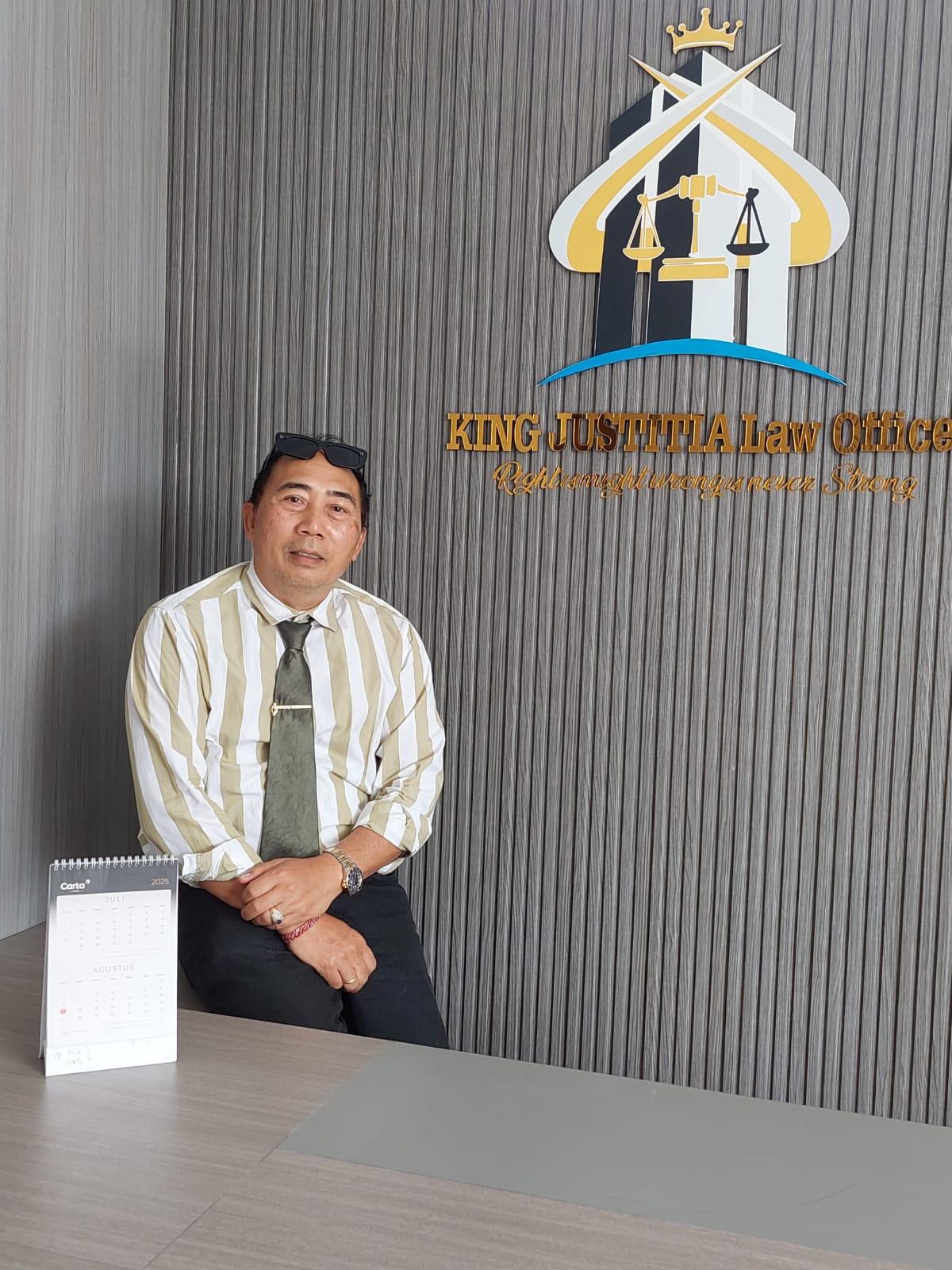
I Nyoman Wirajaya, S.H., M.H., explained that, for example, in an authentic deed, the principle of presumption of justification (judicial causa) is strong and complete, ensuring that the article constitutes a binding law for both parties. If it is declared void, it is declared void in substance. The only problem is that when it reaches the courts, the judge will again determine whether it is legally void.
I Nyoman Wirajaya, S.H., M.H., further explained that, based on Article 1320 of the Civil Code, a valid agreement must meet both subjective and objective elements. Failure to meet either element will result in different legal consequences. The first and second elements, agreement and capacity, are subjective requirements. Failure to meet either of these requirements, whether agreement or capacity, will result in the agreement being voidable.






![{"remix_data":[],"remix_entry_point":"challenges","source_tags":["local"],"origin":"unknown","total_draw_time":0,"total_draw_actions":0,"layers_used":0,"brushes_used":0,"photos_added":0,"total_editor_actions":{},"tools_used":{"addons":1},"is_sticker":false,"edited_since_last_sticker_save":true,"containsFTESticker":false}](https://bedanews.com/wp-content/uploads/2025/10/Picsart_25-10-30_20-21-18-546.jpg)